Introduction
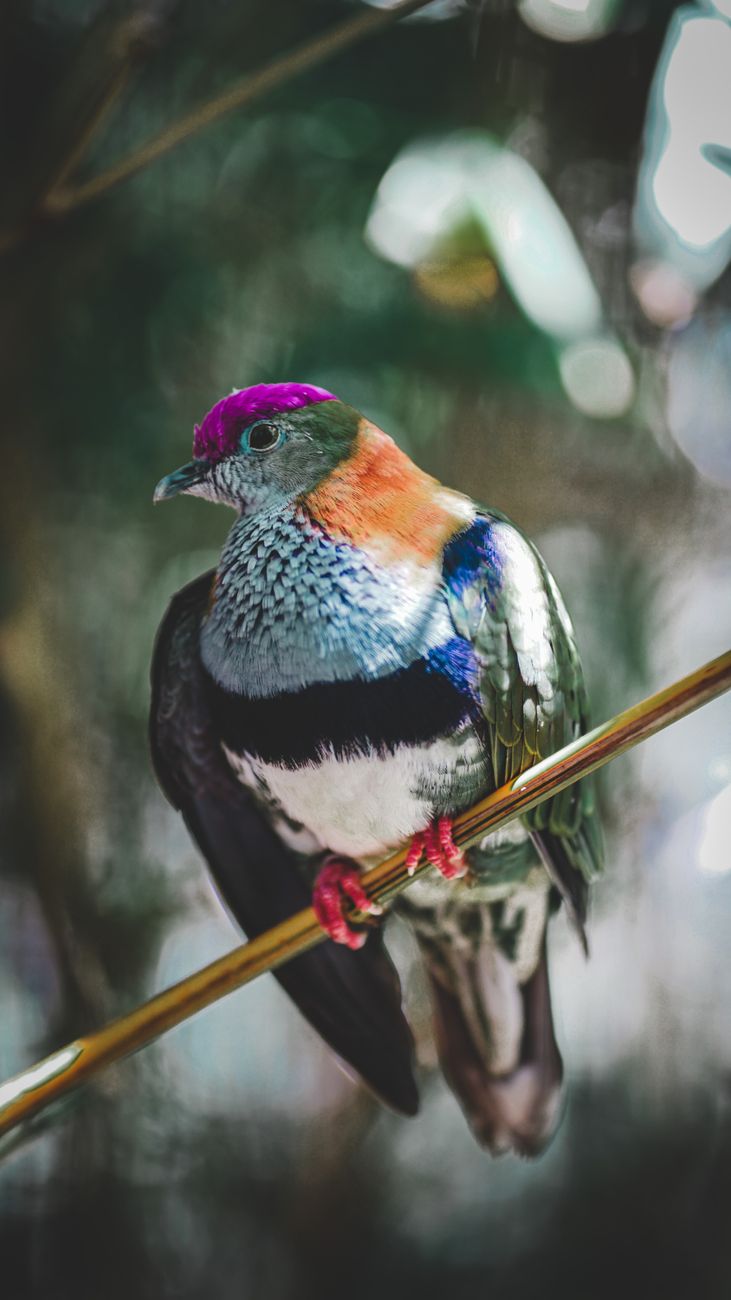
The Negros Fruit Dove (Ptilinopus arcanus) is a critically endangered species endemic to the island of Negros in the Philippines. As a healthcare services manager, I see striking parallels between conservation efforts and the principles of public health. Both require community engagement, data-driven strategies, and a commitment to preserving life in all its forms.
Conservation Status
The Negros Fruit Dove is classified as Critically Endangered by the IUCN. This classification underscores the urgency of conservation efforts, much like the urgency we face in healthcare when addressing critical health disparities. The dove's habitat is restricted to the forests of Negros, making it particularly vulnerable to deforestation and environmental changes.
- Negros Fruit Dove — species of bird
- Grey-green Fruit Dove — species of bird
- Dwarf Fruit Dove — species of bird
- Wompoo Fruit Dove — species of bird
- fruit — typically sweet and/or sour, edible part/s of a plant that resembles seed-bearing fruit
Healthcare and Conservation: A Shared Mission
In healthcare, we often talk about the social determinants of health—factors like environment, access to resources, and community support. These same factors play a crucial role in conservation. For the Negros Fruit Dove, preserving its habitat is akin to ensuring access to clean water and air for human communities. Both require systemic solutions and long-term commitment.
As someone who manages healthcare services, I believe in the power of interdisciplinary collaboration. Conservationists, healthcare professionals, and local communities can work together to create sustainable solutions that benefit both human and ecological health.
Cultural Sensitivity in Conservation
Just as culturally sensitive care is essential in healthcare, it is equally important in conservation. The Negros Fruit Dove is not just a species; it is part of the cultural heritage of the Philippines. Engaging with local communities, understanding their needs, and incorporating traditional knowledge are key to successful conservation efforts.
In my work, I strive to ensure that healthcare services are accessible and respectful of diverse cultural backgrounds. Similarly, conservation efforts must be inclusive and respectful of the communities they aim to serve.
Call to Action
Let us approach conservation with the same rigor and compassion we bring to healthcare. Whether it's through supporting local conservation initiatives, advocating for policies that protect endangered species, or simply spreading awareness, each of us has a role to play.
For more information on the Negros Fruit Dove and how you can contribute to its conservation, visit the IUCN Red List.